





DESCRIPTION
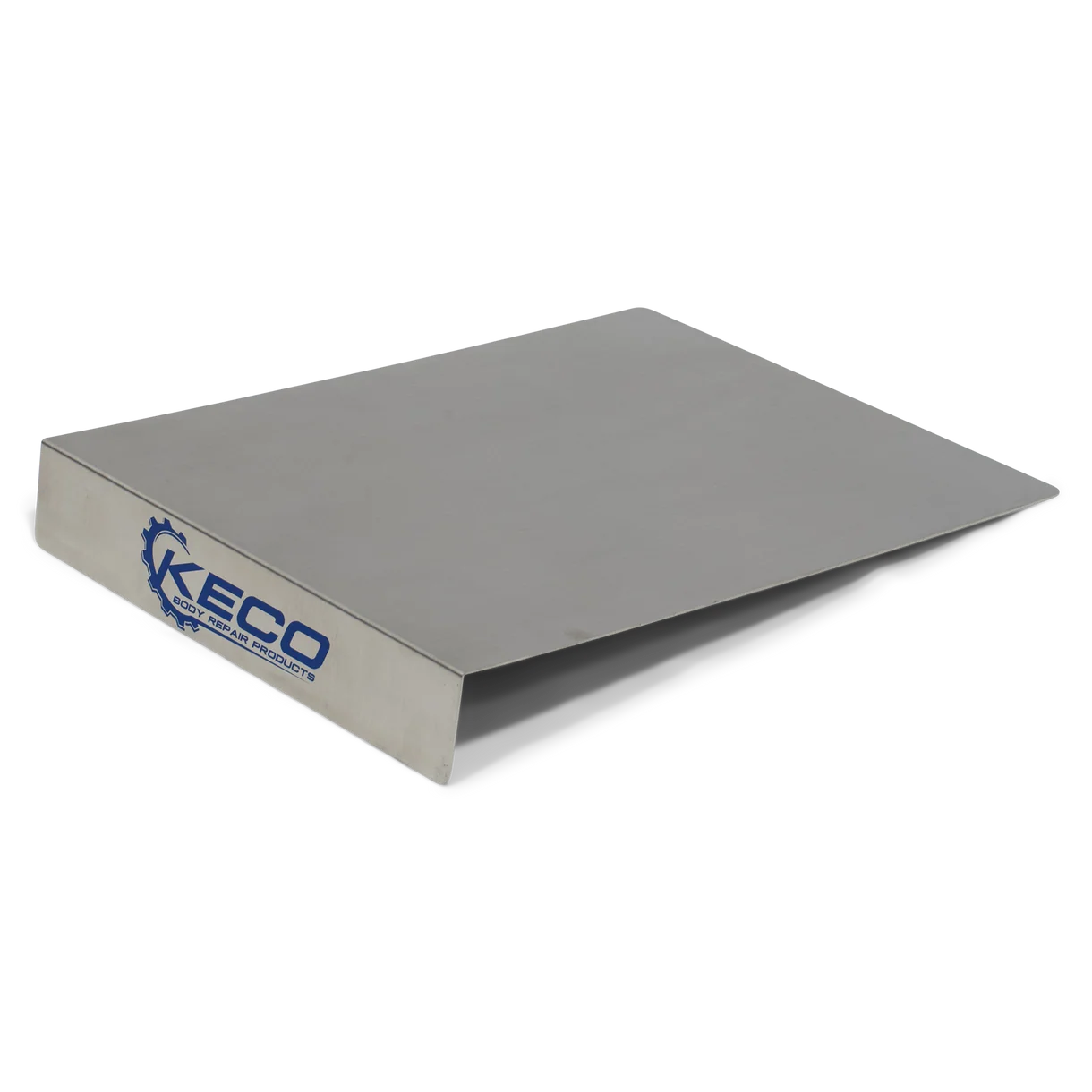
xKECO Stainless Steel Window Guard with Flocked Backing | PDR Glass Protection
Professional Window Protection for Paintless Dent Repair
The KECO Stainless Steel Window Guard with Flocked Backing is designed to protect automotive glass during paintless dent repair (PDR) and glue pull repair (GPR) access work. Built from durable stainless steel with a protective flocked backing, this window guard creates a barrier between repair tools and vehicle glass, helping reduce the risk of scratches, chips, and unwanted damage.
When working inside vehicle doors with whale tails, PDR rods, and other access tools, protecting the glass is just as important as having the right leverage. The KECO Window Guard helps distribute pressure across the glass while providing a protective surface between the tool and the window.
Unlike traditional felt-backed window guards that can peel, roll, or separate after repeated use, KECO uses a flocked backing bonded directly to the stainless steel. This design eliminates the separate felt layer that commonly wears out, providing a more durable protective surface for everyday professional use.
For technicians working on modern vehicles with laminated or double-glazed side windows, the KECO Stainless Steel Window Guard is a practical addition to any PDR tool collection.
Features and Benefits
Durable Stainless Steel Construction
The KECO Window Guard features a stainless steel body designed to withstand repeated use in professional PDR environments.
Stainless steel provides a strong, stable barrier between the glass and repair tools, helping distribute pressure during door access work. Its durable construction makes it suitable for technicians who regularly use whale tails and pushing rods in tight spaces.
Flocked Backing That Won't Peel Like Traditional Felt
One of the most important features of the KECO Window Guard is its bonded flocked backing.
Traditional window guards often rely on a separate felt layer attached to the guard. Over time, repeated insertion through tight belt moldings can cause that felt to roll, peel, or separate.
When the protective backing fails, exposed metal or plastic can come into direct contact with the glass.
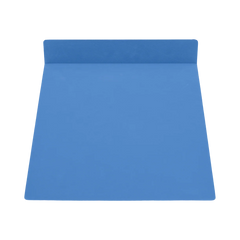
KECO addresses this problem by bonding small protective fibers directly to the stainless steel surface. Because there is no separate felt layer, there is less opportunity for the backing to roll or peel during repeated use.
This design helps maintain a consistent protective surface while reducing the maintenance and replacement concerns associated with traditional felt-backed guards.
Helps Protect Automotive Glass from Scratches
Working through a vehicle's window opening often requires technicians to position tools between the glass and the outer door skin.
Without proper protection, tool movement and concentrated pressure can damage the glass.
The KECO Stainless Steel Window Guard creates a protective barrier that helps reduce direct contact between PDR tools and the window.
Its flocked surface is especially useful when working around tinted glass, where scratches can become highly visible.
Rounded Edges for Easier Positioning
The KECO Window Guard features rounded edges designed to help technicians insert and position the guard around automotive glass.
Smooth edges are particularly beneficial when working through tight window openings and belt moldings, where sharp corners can catch or create unnecessary pressure.
This design helps make positioning more controlled while reducing the risk of damage during insertion and removal.
Designed for Modern Laminated and Double-Glazed Glass
Modern automotive glass presents additional challenges for PDR technicians.
Many newer vehicles use laminated or double-glazed side windows, particularly in front doors. Unlike traditional tempered glass, laminated windows consist of multiple layers bonded together.
The upper edges of these windows can be especially vulnerable to concentrated pressure.
The KECO Window Guard provides a protective barrier that helps technicians manage tool contact and distribute pressure when working around these sensitive glass configurations.
Proper positioning remains essential, particularly when working near the top edge of laminated glass.
Why Window Guards Matter in Paintless Dent Repair
When accessing dents through a vehicle door, technicians often use whale tails, rods, and other tools that require leverage against surrounding structures.
The window is one of the most vulnerable components in this working area.
A quality window guard helps separate the repair tool from the glass, reducing direct contact and spreading pressure over a larger surface.
This becomes particularly important when working on vehicles with expensive laminated glass, factory tint, or tight belt moldings.
Replacing damaged automotive glass can quickly turn a profitable repair into an expensive problem. Using proper glass protection is a simple precaution that helps technicians protect the vehicle throughout the repair.
Why Flocked Backing Is Different
Traditional felt-backed guards generally use an adhesive layer to attach protective material to a stainless steel or plastic body.
Although effective when new, repeated use can cause the felt to shift, bunch up, or separate.
KECO uses a different approach.
Flocking bonds small fibers directly to the stainless steel, creating a protective surface without relying on a separate felt sheet.
This construction offers several practical advantages:
- Reduces the risk of backing separation during repeated use.
- Eliminates the separate felt layer that can roll or peel.
- Helps maintain a consistent protective contact surface.
- Reduces the possibility of exposed stainless steel contacting the glass due to felt failure.
- Provides a durable alternative to traditional felt-backed window guards.
For technicians performing door repairs regularly, these differences can make the KECO Window Guard a worthwhile upgrade.
Professional PDR Applications
Door Dent Repair
Protect vehicle glass while using whale tails and PDR rods through the window opening.
Hail Damage Repair
Provide a protective barrier during repeated door access work when repairing hail damage.
Laminated Glass Protection
Help distribute tool pressure when working around modern laminated and double-glazed side windows.
Tight Belt Molding Access
The rounded stainless steel construction and flocked backing help with positioning in confined window openings.
General PDR Access Work
Use as a protective barrier whenever repair tools must operate near automotive glass.
Best Practices for Using the KECO Window Guard
Even with a quality window guard, proper technique is essential to preventing glass damage.
Position the Window Carefully
Raise the window slightly when possible before inserting the guard. This can help establish a safer working position for the glass and access tools.
Avoid Concentrated Pressure on Glass Edges
The top edge of laminated glass can be particularly vulnerable to chips and cracks. Avoid placing excessive pressure directly on this area.
Use a Window Wedge When Appropriate
A window wedge or air wedge can help create additional clearance and distribute pressure during access work.
Watch Tool Angles
Be mindful of tool positioning, especially when working diagonally near the front or rear edges of the glass.
Keep Contact Surfaces Clean
Inspect the guard and remove dirt or debris before use. Even a protective backing can scratch glass if abrasive particles become trapped between the surfaces.
Why Buy the KECO Stainless Steel Window Guard?
A window guard might seem like a simple accessory, but the quality of its construction can make a significant difference during professional PDR work.
The KECO Stainless Steel Window Guard with Flocked Backing addresses one of the most common weaknesses of traditional window guards: protective backing that eventually peels or rolls away.
By combining durable stainless steel construction with directly bonded flocked fibers, KECO provides a more dependable protective surface for technicians who regularly work around automotive glass.
For professionals working on modern vehicles with laminated windows, tight belt moldings, and sensitive glass surfaces, investing in reliable window protection is a practical way to reduce unnecessary repair risks.
What's Included
- (1) KECO Stainless Steel Window Guard with Flocked Backing
Important Note: Always inspect the guard and vehicle glass before use. Proper positioning and pressure distribution are essential, particularly when working with laminated or double-glazed windows.
- Choosing a selection results in a full page refresh.